
Canada’s federal carbon offset system
Credits can be issued only for activities covered by a published federal protocol. Protocols are being added over time, and the soil organic carbon protocol is still in development.
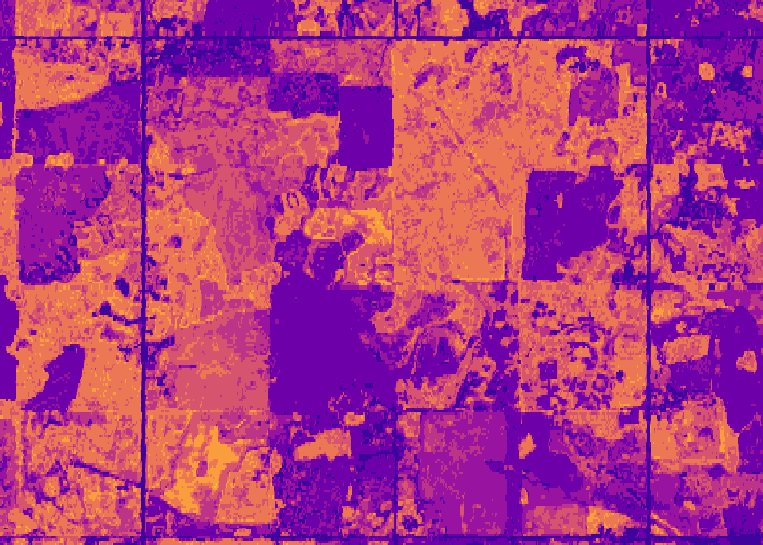
Make herd, pasture, and carbon decisions on verified, current data, so every call is made for the right pasture at the right time.
For ranchers and farm operators in Alberta and British Columbia. Map shown: soil organic matter across a ranch, measured by genesis-ei.
ProDelta gives ranchers a continuously updated picture of pasture health, carrying capacity, and carbon, so herd and land decisions rest on verified data. genesis-ei monitors the whole ranch and shows which pastures can support how many animals right now.
Rules last checked . Worth knowing: Canada’s federal offset protocols page was last updated on September 17, 2026. The beef cattle protocol covers confined feeding operations, and the soil organic carbon protocol is still under development. This is a plain-language summary, not legal advice.
Every herd purchase, every pasture rotation, and every expansion carries real financial risk. Land capacity, feed costs, and regulatory requirements are all moving at once.
Traditional ranching decisions are reactive. Today’s market asks for more.
Measured land data is what lenders, buyers, and carbon programs ask for. We help you have it ready.
Credits can be issued only for activities covered by a published federal protocol. Protocols are being added over time, and the soil organic carbon protocol is still in development.
BC’s Cumulative Effects Framework and Alberta’s sub-regional plans shape what happens on the land base around your operation.
Premium buyers and lenders increasingly ask for data they can check. A measured baseline and a monitoring history give you that.
Carbon programs differ by province and operation. Eligibility depends on the protocol, so confirm it with Environment and Climate Change Canada or a qualified verifier.
genesis-ei puts current environmental data in the hands of the people who know your land best.
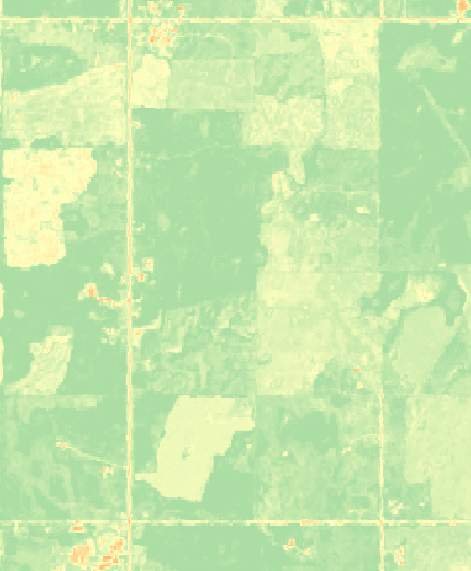
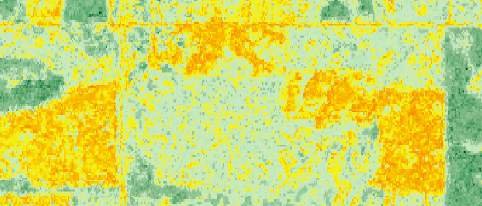
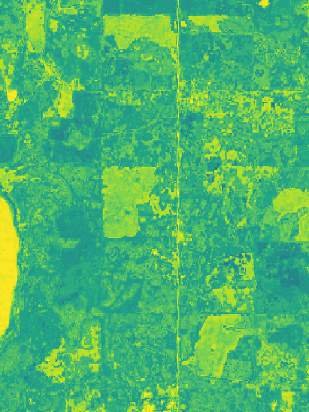
Set a baseline of your ranch and work with your team to learn from past success and find growth opportunities.
Set up priority zones tied to pasture health and carrying capacity, and build custom grazing cycle zones.
Your team watches the whole ranch online with genesis-ei, with conditions updated on a schedule that suits you.
Support premium buyer opportunities and prepare for carbon markets as protocols open to your operation.
Make the right decisions, for the right pasture, at the right time.
If your operation touches traditional territory, shared data helps everyone at the table see the same land.
genesis-ei measures pasture health, vegetation height, soil organic matter, biomass, and the carbon held in vegetation. It also supports stocking rate and carrying capacity analysis, herd tracking, and weather and climate integration.
Update frequency depends on the service level chosen for your ranch. Ask us about the options.
It depends on your operation and province. Canada’s federal offset system accepts projects only under published protocols. The federal beef cattle methane protocol covers confined feeding operations and does not apply in Alberta, and the Enhanced Soil Organic Carbon protocol is still under development. Measured baseline data prepares a ranch for protocols as they are published. Confirm eligibility with Environment and Climate Change Canada or a qualified verifier.
No. We scope the work to the size of your land and the decisions you need to make.
ProDelta works across Alberta and British Columbia from offices in Calgary, Fort St. John, and Nanaimo, with pan-Canadian reach.
Tell us about your ranch. We’ll show you what your land can tell you.