
Regulatory certainty for mining
Reduce your regulatory risk and increase your project’s value with environmental intelligence, from first exploration to operations.
For explorers, developers, and the regulators who review their projects. Building an independent Canadian economy with First Nations, by reducing regulatory uncertainty and creating jobs.
How we help mining projects move forward
ProDelta gives mining teams one continuously updated baseline from concept to approval. genesis-ei flags habitat, species at risk, and cumulative effects before an application is filed, and shows regulators and First Nations the same picture. It supports qualified professionals. Regulators keep the decision.
- Does this replace an environmental assessment?
- No. It works within the existing regulatory framework. It gives qualified professionals better data earlier, so they can complete their environmental validation assessments with more certainty and ground truth the highest-risk areas first.
- How fast can an analysis be done?
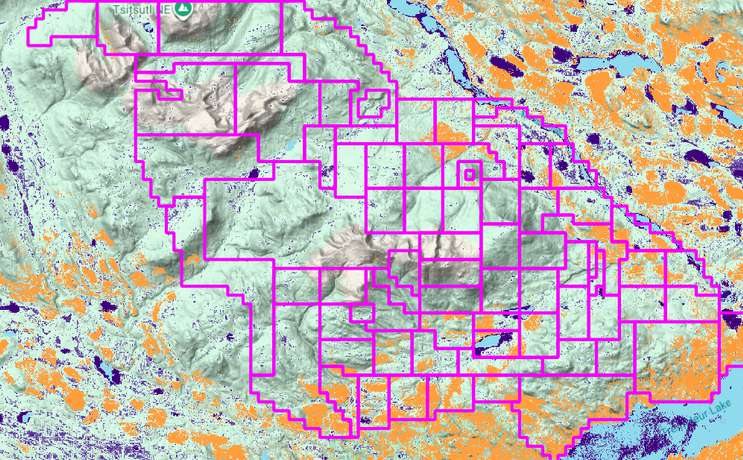
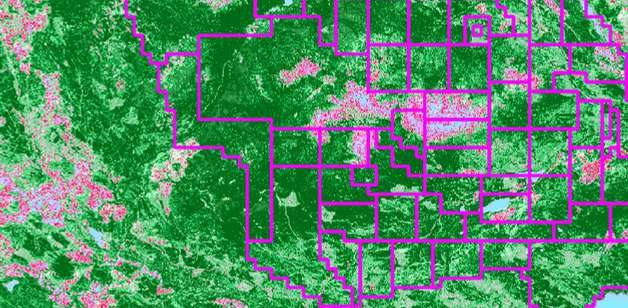
- In a case study for a nickel project in northwest British Columbia, genesis-ei analyzed 15,000 square kilometres, more than 5 billion data points, in 12 weeks.
What it costs you
You pay for the environmental work before you know whether the project can be approved. Every year of delay ties up capital and holds your asset’s value down.
- Baseline studies and assessments are front-loaded, and they can cost millions.
- Limited or outdated data means reacting to problems after the money is spent.
- Consultation without shared data adds risk you can avoid.
~20 yrs
To permit and build a mine in Canada, compared with 14 years in Australia.
PwC Mine 2026, citing S&P Global$4.4B
Spent on exploration and deposit appraisal in Canada in 2025, with no certainty any project is approved.
Natural Resources Canada$18M
On environmental assessment activities alone: Taseko’s Prosperity project in BC, over five years. An example, not an average.
Globe and Mail, 2012What you need to do
Start at concept, not after the money is spent. The earlier you start, the less capital is at risk.
Know your risk
Run genesis-ei over your claims. You get a continuously updated baseline in weeks, before the footprint is set.
Validate it
raven-eye gives your qualified professionals high-resolution AI analysis, so they ground truth the highest-risk areas first.
Engage early
Share a transparent digital twin and engage First Nations on land stewardship and economic opportunity.
Restore and build
Restore critical offsets and build, creating an environmental net gain and a restoration-based economy.
- Avoid
- Minimize
- Repurpose
- Mitigate
- Offset
Optimize your project within the existing regulatory framework. The Environmental Priority Pathway pairs genesis-ei analysis with First Nation community knowledge at every step. Shared values. Shared path. Shared opportunities. How Two-Eyed Seeing works
What’s in it for regulators
Better data earlier means better decisions. genesis-ei gives regulators the same continuously updated evidence the proponent uses.
One evidence base
A single, continuously updated baseline, so every proposal starts from the same facts.
Issues surface early
Habitat, species at risk, and cumulative effects are flagged at concept, before an application is filed.
Clearer applications
Proponents arrive with quantified, comparable data, so there is less back-and-forth.
Shared and transparent
A shared digital twin gives regulators, proponents, and First Nations the same picture, and monitoring continues after approval.
Regulators keep the decision. genesis-ei supports qualified professionals and the existing framework.
The rules that apply
What applies depends on the project’s size, location, and minerals. These are the main frameworks.
Federal
Impact Assessment Act
Federal lawNew metal mines at 5,000 tonnes of ore a day or more are designated projects needing a federal impact assessment.
Species at Risk Act
Federal lawProtects listed species and their habitat, so early habitat mapping matters.
British Columbia
Environmental Assessment Act (2018)
Provincial legislationMines above the set thresholds go through a provincial assessment with First Nations participation.
Mines Act and Mineral Tenure Act
Provincial legislationThe main statutes for exploration and mining permits and claims.
DRIPA section 7 agreements
Provincial legislationConsent-based decision-making with First Nations, now used for mine projects. Under review, so check the current position.
Alberta
Metallic and Industrial Minerals Exploration Regulation
Provincial regulationExploration approvals and permits, administered by the Alberta Energy Regulator, the life-cycle regulator for these minerals since February 2024.
Environmental and water approvals
Provincial legislationEnvironmental Protection and Enhancement Act and Water Act applications for mineral development now go to the Alberta Energy Regulator.
Duty to consult
Alberta Indigenous RelationsEnsures the province’s legal duty to consult First Nations is met.
This is a general summary, not legal advice. genesis-ei supports qualified professionals and your documentation; decisions remain with the regulators. Confirm requirements with your regulatory team.
Questions we hear
What is genesis-ei for mining?
genesis-ei is ProDelta’s environmental intelligence technology. It builds a continuously updated environmental baseline from billions of data points, with layers such as fish habitat, moose, caribou, and wolf habitat, vegetation species and health, and canopy height without LiDAR, so mining teams understand environmental and regulatory risk from exploration through to development.
What is in it for regulators?
Regulators get the same continuously updated evidence the proponent uses. Habitat, species at risk, and cumulative effects are flagged at concept, before an application is filed, and applications arrive with quantified, comparable data. A shared digital twin gives regulators, proponents, and First Nations the same picture, and monitoring continues after approval. Regulators keep the decision.
Does this replace an environmental assessment?
No. It works within the existing regulatory framework. It gives qualified professionals better data earlier, so they can complete their environmental validation assessments with more certainty and ground truth the highest-risk areas first.
How fast can an analysis be done?
In a case study for a nickel project in northwest British Columbia, genesis-ei analyzed 15,000 square kilometres, more than 5 billion data points, in 12 weeks.
Which Canadian rules apply to mining exploration and development?
It depends on the project’s size, location, and minerals. Common ones include the federal Impact Assessment Act, British Columbia’s Environmental Assessment Act, Mines Act, Mineral Tenure Act, and Declaration on the Rights of Indigenous Peoples Act, and in Alberta the Metallic and Industrial Minerals Exploration Regulation. Confirm requirements with your regulatory team.
Know your risk before your next exploration dollar.
Responsible developers who move quickly will benefit most from this growing opportunity.