
BC Cumulative Effects Framework
BC now expects many natural resource applications to show how an activity adds to the combined pressure on the land. Start from evidence that fits your project area, not just the province.
For forestry, energy, mining, and infrastructure proponents in British Columbia, and the qualified professionals who prepare their applications.
How we help with BC cumulative effects analysis
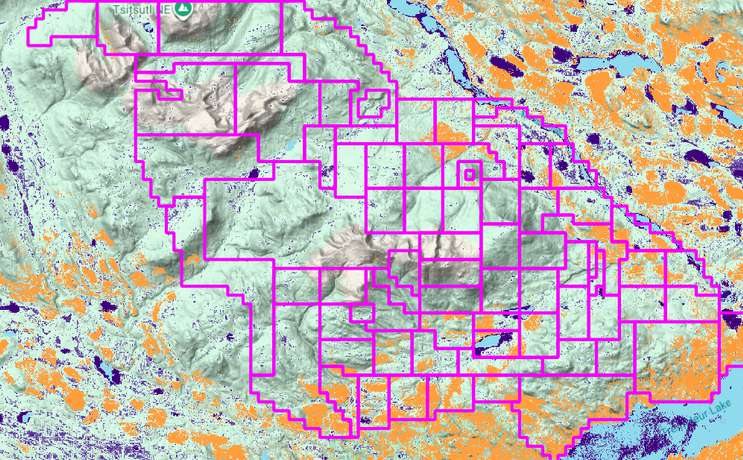
BC’s provincial assessments are the starting point, and they are modelled at a broad scale. ProDelta adds project-scale detail on vegetation, wildlife habitat, and aquatic habitat, with an initial analysis in minutes and repeat analysis as conditions change.
Rules last checked . Most recent change: BC updated its Cumulative Effects Framework guidance on April 30, 2026, and published a benchmarks bulletin in March 2026. This is a plain-language summary, not legal advice.
- Does genesis-ei replace the provincial CEF assessments?
- No. The provincial assessments are the starting point, and they are modelled at a broad scale. genesis-ei adds project-scale detail on vegetation, wildlife habitat, and aquatic habitat that a qualified professional can use alongside them.
- How fast can I get a project-scale picture?
- An initial landscape-scale analysis takes minutes. A fully verified baseline for a specific project adds ground truthing by qualified professionals.
What the framework asks of you
BC’s framework gives decision-makers the best available information on the condition of lands and resources. For an application, that means three things: understand the current condition of the values in your area, judge how your activity could add to the risk, and show what you will do to reduce it.
Provincial assessment results exist for values such as aquatic ecosystems, forest biodiversity, and grizzly bear, and a public portal lets you search your area.
- Provincial results are broadThe aquatic protocol is modelled at a coarse, provincial scale. Your project area needs finer detail.
- Protocols are still being refinedSome are interim, and the forest biodiversity protocol is being revised.
- Conditions keep changingFires, harvesting, and new disturbance move the baseline after your study is done.
- Evidence must be readable by everyoneRegulators, communities, and your own team need to see the same picture.
Project-scale evidence, ready when you are
ProDelta adds the detail the provincial results leave out. It supports your qualified professional’s analysis. It does not replace it.
- Understand. genesis-ei maps vegetation, wildlife habitat, and aquatic habitat across your project area, with an initial analysis in minutes.
- Document. rapid-ortho captures corridors and sites with fast, precise imagery.
- Communicate. geo-story turns the results into a story that regulators, communities, and investors can follow.
- Keep it current. Repeat the analysis as conditions change, so your baseline never goes stale.
What you walk away with
A baseline for your project area
Current condition of the values that matter to your regulator, at a scale that fits your project.
A clear view of your contribution
Where your activity adds to existing disturbance, and where it can be avoided or reduced.
A record that updates
A continuous record you can show at review time, instead of a snapshot that ages.
Source: Government of British Columbia, Cumulative Effects Framework guidance and value pages (checked November 2026).
How this fits with other BC rules
Cumulative effects analysis, adaptive management, and watershed planning use the same evidence. Each page looks at one angle.
Questions we hear
What is the BC Cumulative Effects Framework?
It is BC’s set of policy, procedures, and tools for assessing and reporting the combined effects of natural and human-caused disturbance on environmental, social, and economic values, so natural resource decision-makers have consistent information.
Who needs to do a cumulative effects analysis?
It depends on the project and the regulating agency. BC publishes guidance for qualified environmental professionals on applications that are not subject to an environmental assessment where cumulative effects analysis is required. Confirm the requirement for your application with the regulating agency.
Does genesis-ei replace the provincial CEF assessments?
No. The provincial assessments are the starting point, and they are modelled at a broad scale. genesis-ei adds project-scale detail on vegetation, wildlife habitat, and aquatic habitat that a qualified professional can use alongside them.
How fast can I get a project-scale picture?
An initial landscape-scale analysis takes minutes. A fully verified baseline for a specific project adds ground truthing by qualified professionals.
How does this relate to environmental assessment?
They are separate processes, and BC publishes a bulletin on how they relate. Ask your regulatory team which applies to your project.
Know where you stand before you file.
Tell us about your project area. We’ll show you what a project-scale picture adds.