
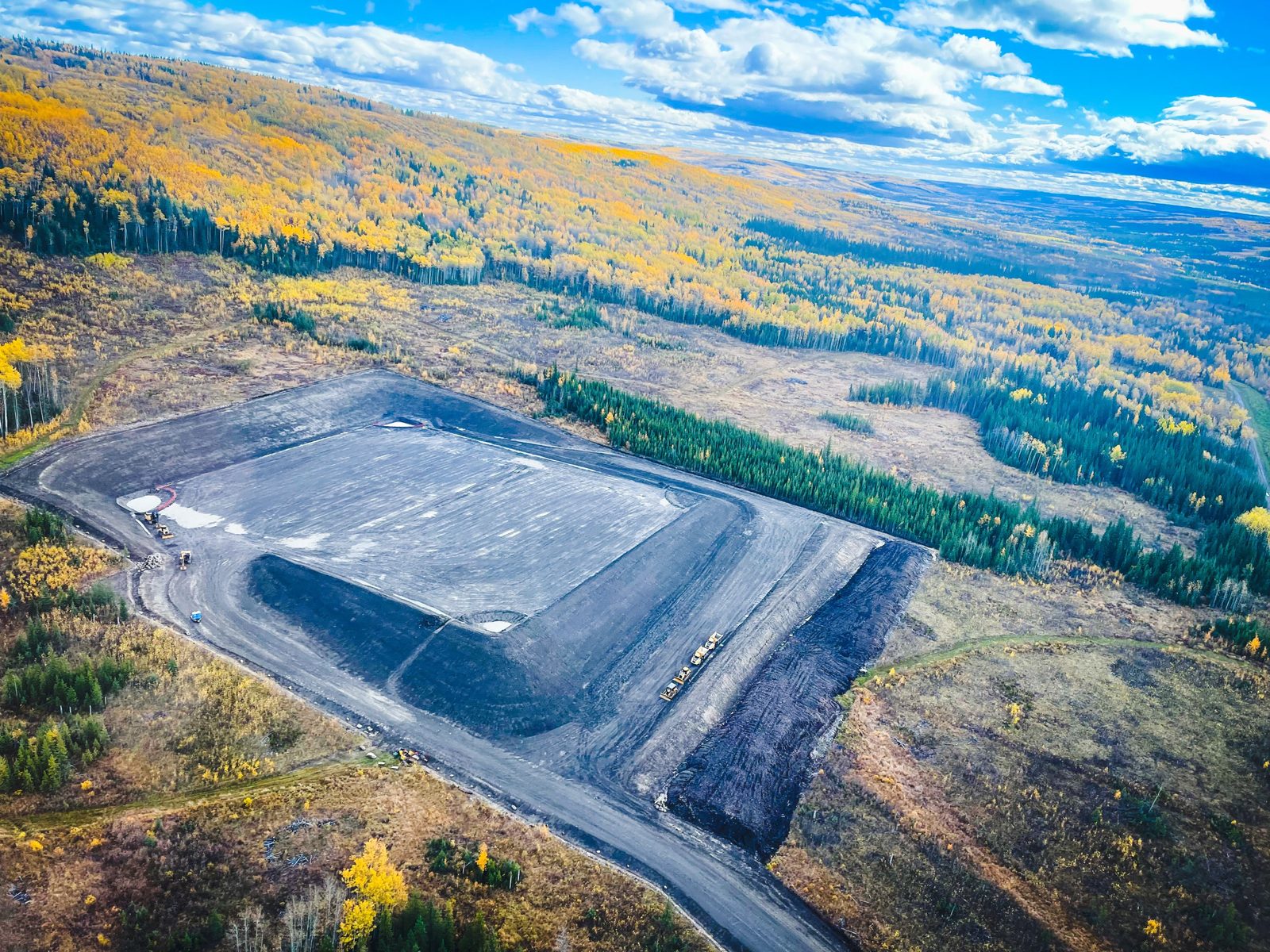
Plan the land. Retire the assets.
One evidence base for land use planning, regulatory approvals, and asset retirement obligations, so projects keep moving and liabilities get smaller.
For oil and gas operators, liability holders, and the land teams who support them, in Alberta, British Columbia, and across Canada.
How we help oil and gas operators move forward
ProDelta gives operators one continuously updated evidence base for land use planning, approvals, and asset retirement. genesis-ei builds the baseline in minutes, rapid-ortho documents sites and corridors, geo-story shares results with regulators, landowners, and First Nations, and smart-dig sizes contamination before excavation.
Rules last checked . Most recent changes: The Alberta Energy Regulator announced the 2027 industry closure quota on August 4, 2026, and BC amended its Dormancy and Shutdown Regulation on March 10, 2026. This is a plain-language summary, not legal advice.
- How does this help with asset retirement obligations?
- It helps you rank sites by restoration priority, group work by area, size contamination before the excavator arrives, and show reclaimed land recovering. That supports planning and reporting. It does not replace site investigations, and only the regulator issues closure certificates.
- How does Alberta’s Liability Management Framework work?
- Under the framework the Alberta Energy Regulator sets an annual industry closure quota and gives each licensee with inactive liability a proportionate share. Licensees can meet it by spending on closure or, in some cases, by providing security. Landowners can nominate wells and facilities that have been inactive or abandoned for five years or more, and companies are encouraged to work together on area-based closure.
Approvals ask for more. Liabilities have deadlines.
New projects are judged against land use plans and the combined footprint on the land. Existing assets carry retirement obligations that regulators now track year by year.
Both jobs run on the same evidence, but it usually lives in separate studies, files, and spreadsheets that age as soon as they are finished.
- Plans with limitsLand use plans set footprint limits and restoration expectations across the land base.
- Liability on a clockAnnual closure requirements and restoration windows turn legacy sites into scheduled work.
- Scattered, stale dataEach study uses its own method, date, and boundary.
- Consultation needs shared evidenceRegulators, First Nations, landowners, and your own team need to see the same picture.
Two jobs, one evidence base
The same continuously updated picture of the land supports both, so the work you do for one makes the other easier.
Land use planning and approvals
- Build an early baseline across 15 ecological indicators, including wildlife, fish habitat, vegetation, and canopy.
- Compare sites and routes before layouts are fixed.
- Show how a project adds to existing footprint, in the terms land use plans and regulators use.
- Share clear evidence with First Nations and reviewers from day one.
Asset retirement obligations
- Rank inactive sites and pipelines by restoration priority.
- Group work by area so closure spending goes further.
- Size contamination in 3D before the excavator arrives.
- Show reclaimed land recovering with repeatable imagery and vegetation measures.
The rules behind both jobs
Requirements differ by province and by project. These are the main ones this work supports with evidence.
Federal
- Fisheries Act. Section 35 prohibits harmful alteration, disruption, or destruction of fish habitat unless authorized or otherwise permitted.
- Species at Risk Act and Migratory Birds Convention Act. Protect listed species, their critical habitat, and migratory birds and nests.
- Impact Assessment Act. Asks about cumulative effects for designated projects. Its reach is being reshaped in 2026, so ask counsel what applies to you.
British Columbia
- Dormancy and Shutdown Regulation. Dormant oil and gas sites have annual work plans and restoration windows. Pipelines are part of the framework. See our page on BC dormant pipelines.
- Cumulative Effects Framework. Gives decision-makers consistent assessments of values such as aquatic ecosystems, forest biodiversity, and grizzly bear.
- Water Sustainability Act. Regulates changes in and about a stream through notification or approval.
Alberta
- Liability Management Framework. The Alberta Energy Regulator sets an annual industry closure quota and gives each licensee with inactive liability a share. Landowners can nominate wells and facilities inactive or abandoned for five years or more, and area-based closure is encouraged.
- Land use plans. Regional and sub-regional plans under the Alberta Land Stewardship Act set footprint and restoration expectations. See our page on caribou sub-regional plans.
- Water Act. Activities in water bodies need approval, handled by the Alberta Energy Regulator for energy activities.
Sources: Alberta Energy Regulator and Government of Alberta (Liability Management Framework, Directive 088, closure quota bulletin of August 2026), BC Energy Regulator (Dormancy and Shutdown Regulation), Justice Canada, Government of British Columbia (checked November 2026). Plain-language summary, not legal advice. The regulator, not ProDelta, issues any certificate or approval.
Understand. Document. Communicate. Resolve.
ProDelta supports your qualified professionals and your land teams. It does not replace them.
- Understand. genesis-ei builds a continuously updated baseline in minutes, with a fully verified baseline once qualified professionals ground truth it.
- Document. rapid-ortho captures sites and corridors with high-resolution imagery, processed 100 times faster than traditional imagery processing.
- Communicate. geo-story turns the results into a story regulators, landowners, and First Nations can follow and comment on.
- Resolve. smart-dig builds a 3D conceptual contamination plume from historical assessment data, to reduce the risk of overruns and repeat excavation.
What you walk away with
Approvals with evidence behind them
An early, repeatable baseline that speaks the language of land use plans and reviewers.
A liability plan you can defend
Sites ranked and grouped, contamination sized, and a record of progress for reporting.
A shared picture
One view for your team, regulators, landowners, and First Nations.
Go deeper
Each of these pages covers one part of the work in more detail.
Questions we hear
What does ProDelta do for oil and gas operators?
ProDelta gives operators one evidence base for two jobs: land use planning and regulatory approvals, and asset retirement obligations. genesis-ei builds a continuously updated picture of the land, rapid-ortho captures sites and corridors, geo-story shares results with reviewers and First Nations, and smart-dig sizes contamination before excavation.
How does this help with asset retirement obligations?
It helps you rank sites by restoration priority, group work by area, size contamination before the excavator arrives, and show reclaimed land recovering. That supports planning and reporting. It does not replace site investigations, and only the regulator issues closure certificates.
How does Alberta’s Liability Management Framework work?
Under the framework the Alberta Energy Regulator sets an annual industry closure quota and gives each licensee with inactive liability a proportionate share. Licensees can meet it by spending on closure or, in some cases, by providing security. Landowners can nominate wells and facilities that have been inactive or abandoned for five years or more, and companies are encouraged to work together on area-based closure.
What rules apply in British Columbia?
Dormant oil and gas sites fall under the BC Energy Regulator’s Dormancy and Shutdown Regulation, which includes annual work plans and restoration windows. Cumulative effects, water, and wildlife rules also apply to approvals. See our pages on BC dormant pipelines and the Cumulative Effects Framework.
Does it replace consultants or field work?
No. It supports qualified professionals, land use plans, and community knowledge by handling repetitive analysis so people can focus on judgment and delivery. A fully verified baseline adds ground truthing by qualified professionals.
Where does ProDelta work?
Across Canada, from offices in Calgary, Fort St. John, and Nanaimo.
Move forward on both fronts.
Tell us about your projects and your inactive sites. We’ll show where one evidence base starts.