
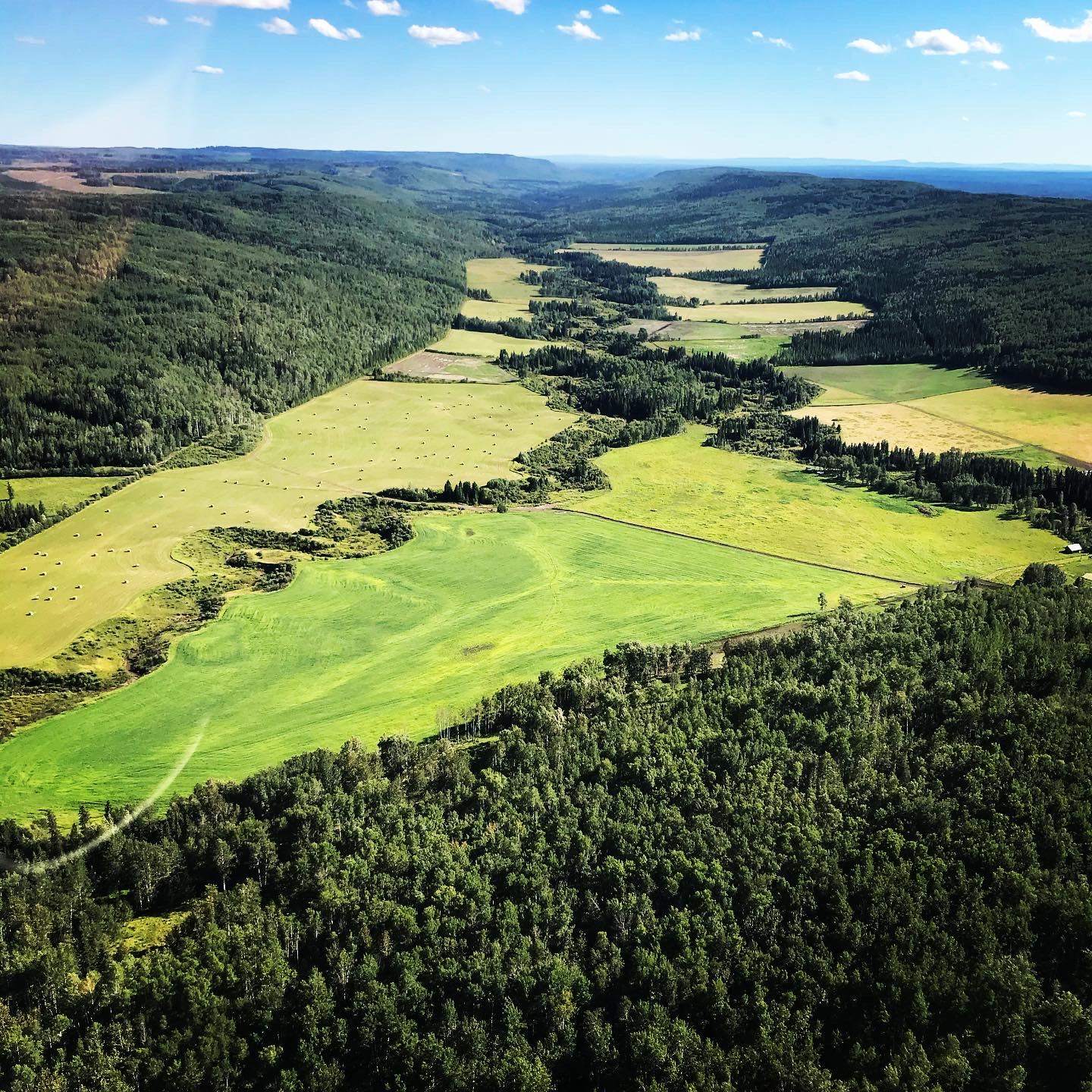
Our vision
A restoration-based economy is possible.
ProDelta knows a restoration-based economy is feasible and very doable. We build the technology that supports it.
For industry, First Nations, investors, and government who want the same outcome.
With a restoration-based economy, all of this is possible.
Development of natural and renewable resources, with a sustainable environment
Strong partnerships with First Nations, built on shared values
Certainty for private capital
A strong economy that creates good-paying, long-lasting jobs
ProDelta builds the technology that makes it work. Restoration becomes employment, and development helps fund the land coming back.
Why Yahey v. British Columbia shaped our vision
In 2021, a British Columbia court ruled that the combined effects of industrial development had harmed a First Nation’s treaty right to hunt, fish, and trap on its own land.
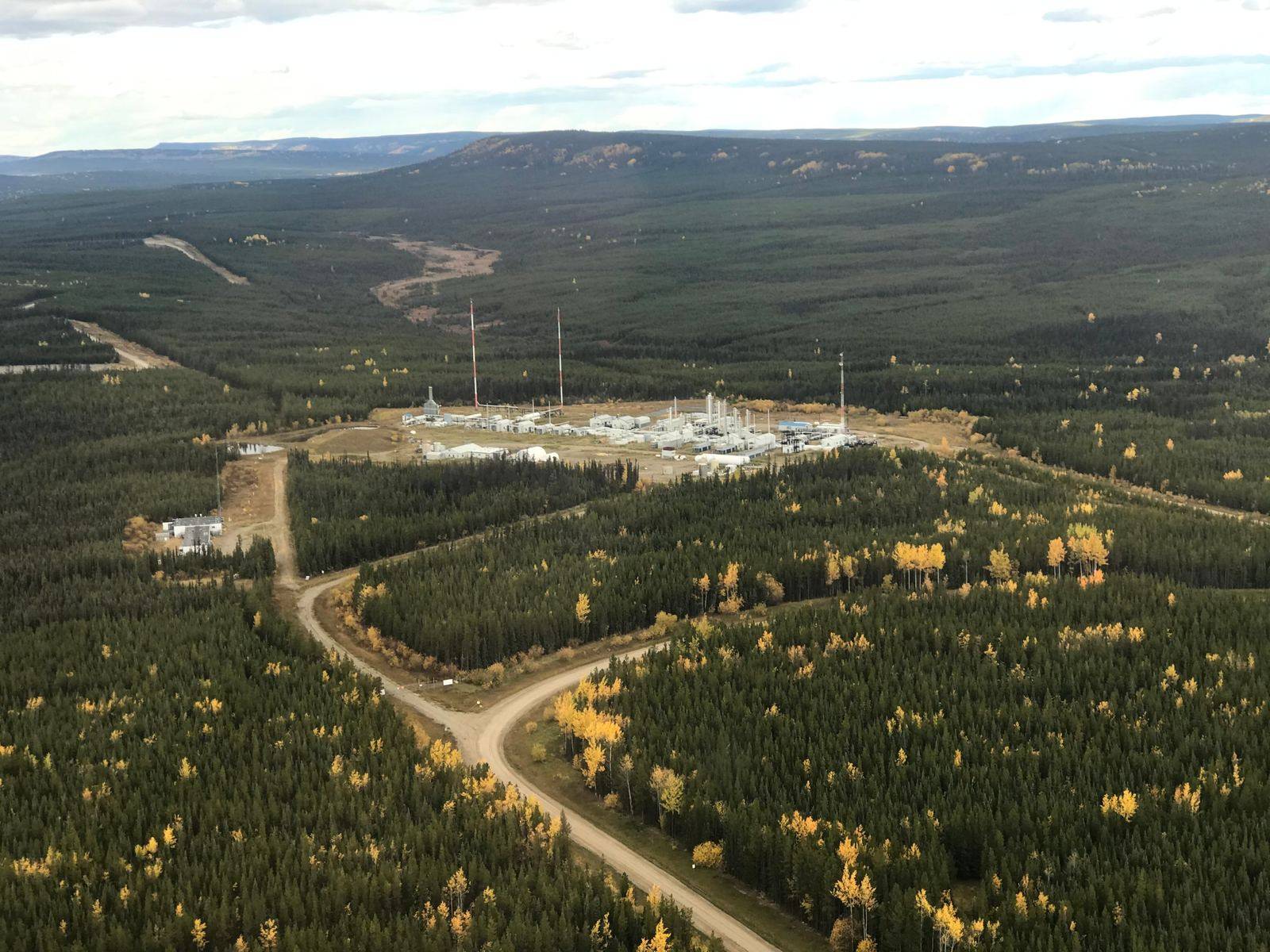
The case was brought by Blueberry River First Nations, a Dane-zaa and Cree community in northeastern British Columbia. The court did not look at one project. It looked at everything that had been built, cut, and cleared across the territory over time, and asked what was left for the exercise of Treaty 8 rights.
That is the question ProDelta was built to answer. Every project is now measured against the whole landscape, so the people making decisions need to see the whole landscape.
- What did the court decide?
- On June 29, 2021, Justice Burke of the Supreme Court of British Columbia found that the Province had infringed Blueberry River First Nations’ rights under Treaty 8. The cause was the cumulative effects of decades of provincially authorized industrial development, not one single project.
- What changed?
- The test now takes the whole footprint into account. The court found the Province’s way of assessing cumulative effects was inadequate and had contributed to the breach of its Treaty 8 obligations.
- What happened next?
- British Columbia announced in July 2021 that it would not appeal. Agreements with Blueberry River First Nations were reached in January 2023.
Yahey v. British Columbia, 2021 BCSC 1287. Facts checked November 1, 2026. This page is not legal advice. Read more: Osler, Burnet, Duckworth & Palmer, Lexpert.
Our approach has not changed. The technology has.
Everything ProDelta does follows military principles that have worked since 1914.
The principles are the same. The technology has evolved, and that is what lets us put the right information in front of the right people, early.

Better data. Better decisions.
Our integrated technology suite is designed around that one idea.
- Understandgenesis-ei
Uses satellite imagery and other sources to give professionals the intelligence they need from day one.
- Capturerapid-ortho
The level of detail and the speed you need, with valuable insights built in.
- Managefield-dms
Professionals spend their valuable time on the problem, not on reporting and documentation. It shortens regulator reporting and plan validation.
- Engagegeo-story
A simpler way to interact with the data and show the work that has been done.
ProDelta means progressive difference.
Delta (Δ) is the scientific symbol for change: the measurable difference between where you are and where you need to be.
Progressive means that change moves forward, on purpose, for the better. That is the vision. Let’s start moving forward.

Questions we hear
What is a restoration-based economy?
A restoration-based economy is one where development and land restoration support each other. Projects are planned against the whole landscape, restoration creates long-lasting jobs, and First Nations, industry, and private capital work from the same evidence.
What is Yahey v. British Columbia?
Yahey v. British Columbia, 2021 BCSC 1287, is a June 29, 2021 decision of the Supreme Court of British Columbia. It found that British Columbia infringed Blueberry River First Nations’ rights under Treaty 8 by allowing the cumulative effects of industrial development to build up, and that the Province’s way of assessing cumulative effects was inadequate.
Why does ProDelta build technology for this?
Cumulative effects now have to be part of the picture, but the rules did not come with the tools to do the analysis efficiently. ProDelta builds those tools so professionals can spend their time on the problem instead of on reporting and documentation.
How do ProDelta’s tools work together?
genesis-ei builds the baseline from satellite imagery and other sources, rapid-ortho captures detailed imagery quickly, field-dms handles field data and regulatory reporting, and geo-story makes the data easy to explore and share with everyone at the table.
Let’s start moving forward.
Tell us about your project and where you want it to go.