

Regulatory certainty for wind developers
Place turbines where wind value is high and wildlife risk is low, with site-specific evidence from the start. Onshore and offshore.
For wind developers and the regulators who review their projects. Building an independent Canadian economy with First Nations, by reducing regulatory uncertainty and creating jobs.
How we help wind projects through the wildlife review
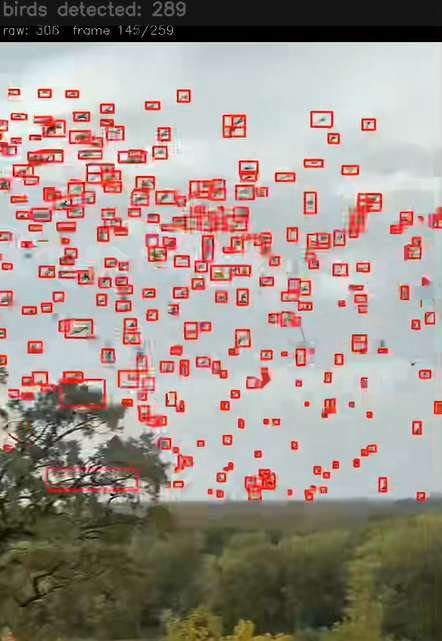
ProDelta produces site-specific evidence on birds and bats from the start, and monitoring that runs year round. genesis-ei supports the baseline, and genesis-eagle-eye sensors capture wildlife behaviour through the seasons, so regulators, developers, and First Nations see the same picture.
- What is genesis-eagle-eye?
- genesis-eagle-eye is a set of AI-powered sensors that combine cameras, radar, and weather stations and operate year round. They are calibrated to the site from the start, capture bird and bat behaviour during regulatory studies, and can feed site-specific detections into SCADA for operational mitigation, to help reduce bat and bird mortality.
- Does this replace environmental studies or a regulator’s review?
- No. It works within the existing regulatory framework. It gives qualified professionals better data earlier and helps meet pre- and post-construction monitoring requirements, so they can complete environmental validation assessments with more certainty.
What it costs you
The market is opening, and the rules are shifting province by province. You commit capital to a site before you know it can be approved.
- Environmental assessments and wildlife studies can cost millions.
- Feasibility studies take years, with capital at risk.
- Turbine procurement can take years, so capital is committed before regulatory certainty exists.
- Consultation without transparent data adds risk you can avoid.
>$1 trillion
The government’s forecast cost to double Canada’s electricity grid by 2050, with wind a critical part of the build.
National Electricity Strategy, May 2026C$500M
In projects TransAlta put on hold, while cancelling an Alberta wind farm, after the province changed its rules.
The Energy Mix, 202435 km
Alberta’s no-build buffer for new wind projects around protected areas and “pristine viewscapes.”
Government of AlbertaWhat you need to do
Start at site selection, not after the turbines are ordered. The earlier you start, the less capital is at risk.
Know your site
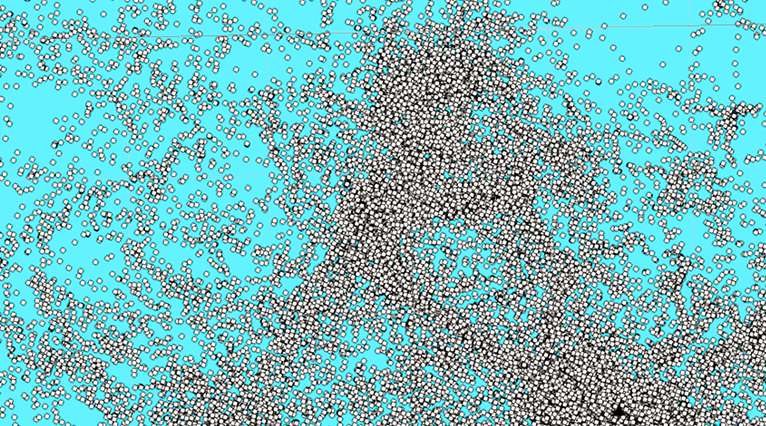
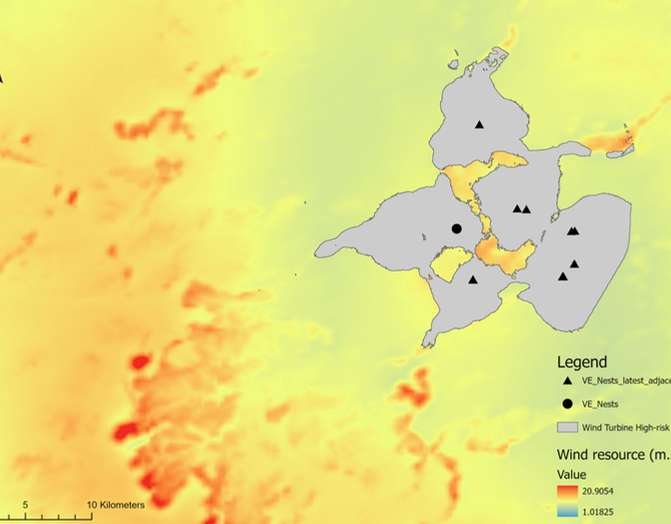
Run genesis-ei wind over your land or lease. You see wind value and simulated bird behaviour together, before the application is filed.
Validate on site
Deploy genesis-eagle-eye sensors and qualified professionals to complete the environmental validation assessment, calibrated to your site from the start.
Engage early
Engage First Nations and regulators with transparent, verifiable data from the first consultation.
Mitigate in operation
Keep eagle-eye running through operations to mitigate environmental impact risk and support compliance.
- Avoid
- Minimize
- Repurpose
- Mitigate
- Offset
Optimize your project within the existing regulatory framework. The Environmental Priority Pathway pairs genesis-ei analysis with First Nation community knowledge at every step. Shared values. Shared path. Shared opportunities. How Two-Eyed Seeing works
What’s in it for regulators
Wildlife regulators ask for clear evidence on birds and bats, and for monitoring and adaptive management plans. genesis-ei and eagle-eye produce that evidence from the start, calibrated to the site.
- Site-specific evidence at application. Bird behaviour is simulated for the actual site before the application is filed.
- Monitoring that runs year round. Cameras, radar, and weather stations capture wildlife behaviour through the seasons.
- Operational mitigation you can verify. Detections can feed SCADA, with a record of what was detected and what was done.
- Shared and transparent. A digital twin with details of wildlife activity gives regulators, developers, and First Nations the same picture.
Regulators keep the decision. genesis-ei supports qualified professionals and the existing framework.
The rules that apply
What applies depends on the province, whether the project is onshore or offshore, and its size. These are the main frameworks.
Federal
Migratory Birds Convention Act
Federal lawProtects migratory birds, their nests, and their eggs. Wind projects commonly follow Canadian Wildlife Service guidance for pre- and post-construction bird monitoring.
Species at Risk Act
Federal lawProtects listed species. Environment and Climate Change Canada has flagged mortality risk to species at risk, notably bats, during turbine operation.
Offshore wind: Canadian Energy Regulator Act and Impact Assessment Act
Federal lawThe Canada Offshore Renewable Energy Regulations took effect December 16, 2024. Offshore projects with 10 or more turbines are designated projects. In Nova Scotia, the Canada-Nova Scotia Offshore Energy Regulator is the life-cycle regulator.
Alberta
AUC Rule 007 and Rule 033
Alberta Utilities CommissionRule 007 sets power plant application requirements, with added requirements on agricultural land, viewscapes, and reclamation security. Rule 033 covers post-approval monitoring for wind and solar plants.
Pristine viewscapes buffer
Provincial regulationNew wind projects are not permitted within a 35 km buffer around protected areas and designated pristine viewscapes. Requirements on high-quality agricultural land also apply.
Wildlife guidelines for wind projects
Alberta Environment and Protected AreasCover pre-development surveys, siting, mitigation, post-construction monitoring, and reclamation.
British Columbia
Renewable Energy Projects (Streamlined Permitting) Act
Provincial legislationMakes the BC Energy Regulator the one-window permitting authority for wind and solar, and exempts land-based wind projects from the provincial environmental assessment. Check the in-force date.
BC Hydro call for power
Procurement ruleThe 2024 call required projects to have at least 25% First Nations equity ownership, and selected nine wind projects.
This is a general summary, not legal advice. genesis-ei and eagle-eye support qualified professionals and your documentation; decisions remain with the regulators. These rules are changing quickly. Confirm requirements with your regulatory team.
Questions we hear
What is genesis-ei wind?
genesis-ei wind is the wind-specific module of ProDelta’s genesis-ei technology. It combines a continuously updated environmental baseline with site-level analytics for wind conditions, terrain, thermal updrafts, and simulated bird behaviour, so developers can place turbines where wind value is high and bird impact is low, before the regulatory application is filed.
What is genesis-eagle-eye?
genesis-eagle-eye is a set of AI-powered sensors that combine cameras, radar, and weather stations and operate year round. They are calibrated to the site from the start, capture bird and bat behaviour during regulatory studies, and can feed site-specific detections into SCADA for operational mitigation, to help reduce bat and bird mortality.
What is in it for regulators?
Regulators get site-specific evidence on birds and bats at the application stage, monitoring that runs year round, and a record of operational mitigation. A shared digital twin with details of wildlife activity gives regulators, developers, and First Nations the same picture. Regulators keep the decision.
Does this replace environmental studies or a regulator’s review?
No. It works within the existing regulatory framework. It gives qualified professionals better data earlier and helps meet pre- and post-construction monitoring requirements, so they can complete environmental validation assessments with more certainty.
Which Canadian rules apply to wind projects?
It depends on the province, whether the project is onshore or offshore, and its size. Common ones include the Migratory Birds Convention Act and the Species at Risk Act, Alberta’s AUC Rule 007 and wind siting rules, British Columbia’s Renewable Energy Projects (Streamlined Permitting) Act, and the Canada Offshore Renewable Energy Regulations for offshore wind. Confirm requirements with your regulatory team.
Know your site risk before you commit capital.
Responsible developers who move quickly will benefit most from this once-in-a-generation opportunity.